Skip to content
Greece Vibe
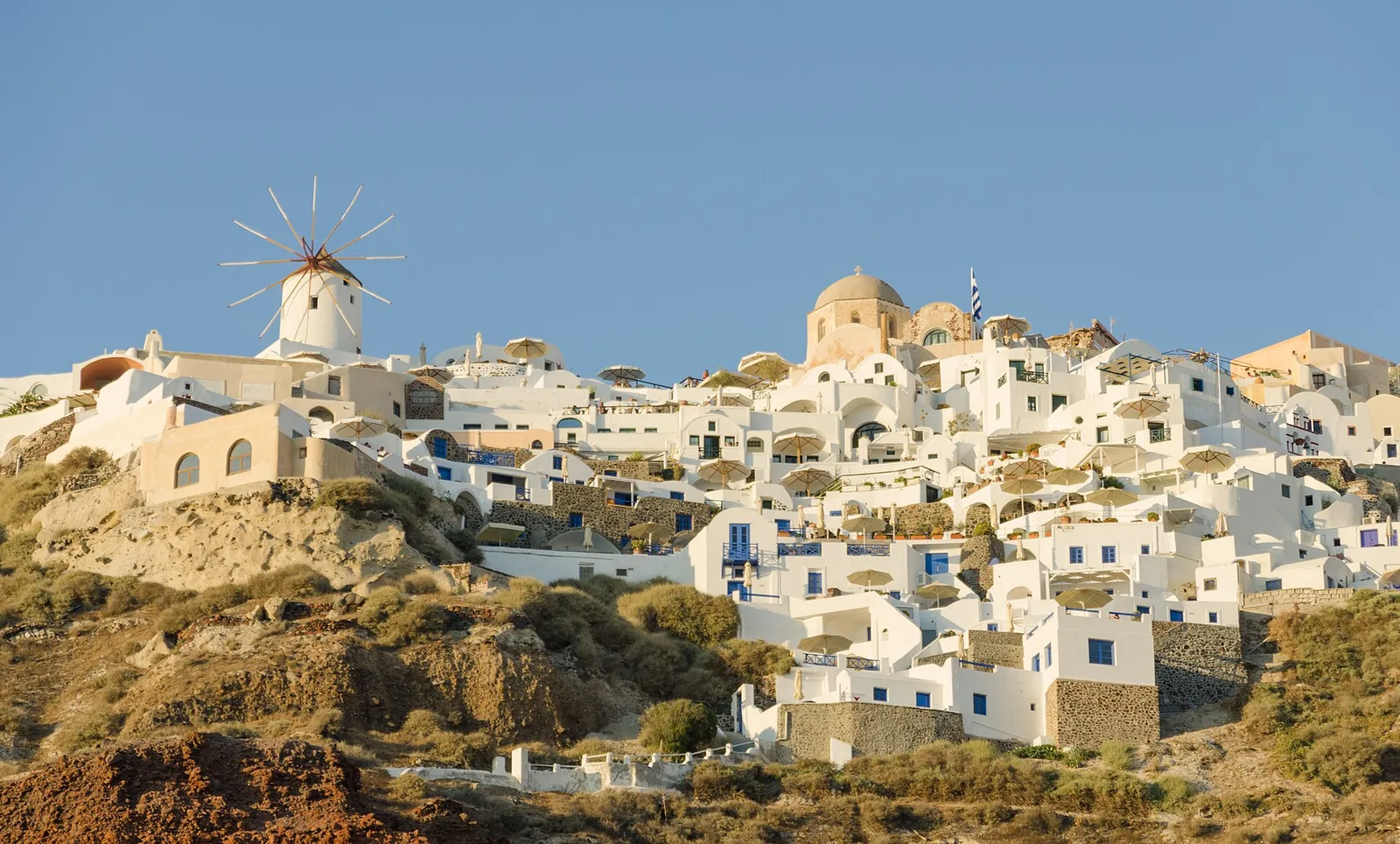
The whitewashed village of Oia in Santorini above the Aegean Sea

Blue domes salt air and ferry mornings your Greece starts here

A local's guide to Greece from the Santorini caldera to the Mykonos backstreets and every taverna in between

Some links on this page are affiliate links. If you book through them we may earn a commission at no extra cost to you, which helps support the site.

My trip

This is one real day from a schedule our planner builds. Yours will look different, because it is built around your answers.

Day 2 · Athens

Every hour worked out, every place open

09:00 Samba Coffee Roasters about 1 hour
10:30 Panathenaic Stadium 22 min walk · about 1.5 hours
12:30 Varvakios Market 30 min walk · about 2 hours

The rest is already waiting, it just needs a few answers

Build me a day like this
A minute of questions A full day hours and distances Yours to edit and share

The islands you cannot miss

From Santorini and Mykonos to Milos and Naxos, the islands every trip to Greece starts with.

All islands

Ready-made itineraries

All itineraries

The Greece map

Every island, beach and site from our guides, on one map.

The full map

Destination

More than 650 of the best places in Greece, in one guide with photos and tips.

Must reads

The core guides to start from.

All guides

By topic

Common questions

Do I need a visa for Greece?

Greece is in the EU and the Schengen area. Many visitors, including those from the UK, US, Canada and Australia, can enter visa-free for up to 90 days in any 180-day period. From 2026 the ETIAS travel authorisation is expected to launch, a quick online pre-registration for about 20 euros. Always check the latest rules for your passport before you fly.

When is the best time to visit Greece?

May, June, September and early October are the sweet spot: warm sea, pleasant weather and smaller crowds. July and August are hot and busy on the islands, while early spring and Athens are ideal for culture and history without the heat.

Should I visit the islands or the mainland of Greece?

The islands are for beaches, sea and a relaxed pace (Santorini, Mykonos, Crete, Rhodes), while the mainland is strong on historic sites and nature (Athens, Delphi, Meteora). For a first trip many people combine a few days in Athens with two or three nearby islands.

How do I get between the Greek islands?

Mostly by ferry: fast boats between the Cyclades, and slower, cheaper lines for longer routes. Far-flung islands like Rhodes and Crete also have short domestic flights. It is worth booking ferries ahead in the busy summer months.

How much does a trip to Greece cost and how do I pay?

The currency is the euro. Cards are widely accepted in hotels, restaurants and shops, but it is handy to carry some cash for small tavernas, markets and island buses. A meal at a local taverna runs about 15 to 25 euros a head, less if you stick to mezze and share.

The free guide to the best places in Greece

Sign up and get the destinations guide right away, more than 650 hand-picked places with photos and tips, then new guides and deals, no spam.

The Greece car rental guide: tips, insurance and saving money